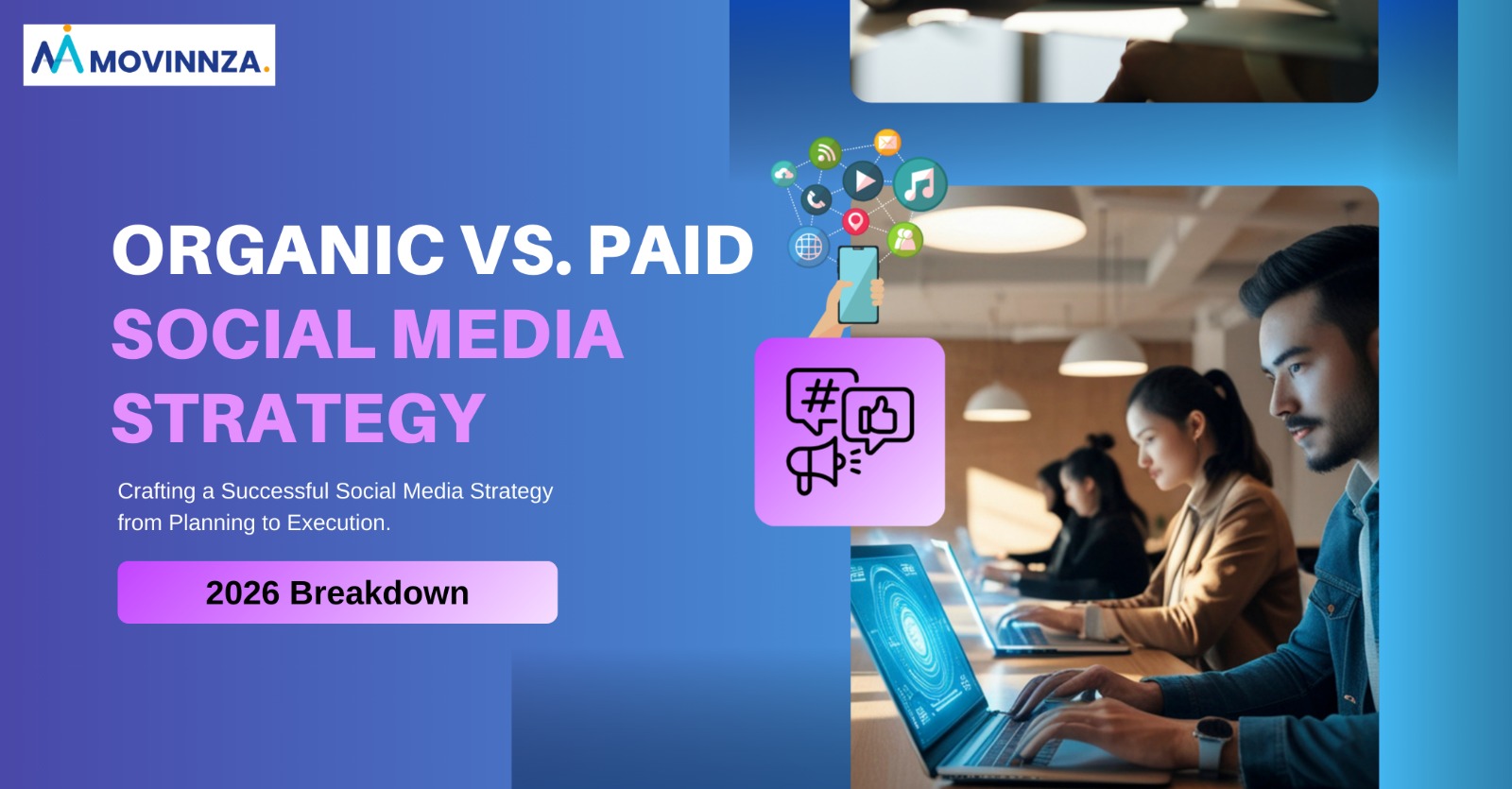
Growing on social media is not as efficient as it used to be. You cannot expect results from just "regular posting" or "running ads and growing." Business owners and marketing directors now have to deal with a tough question: Should they utilize paid or free social media to grow?
People see fewer ads on sites like Meta and LinkedIn, yet the prices of sponsored ads are going up as more people want them. Because of this, brands often have to pick between spending time on something that might not be noticed and spending money that won't pay off in the long run.
This blog does a great job of showing the differences between paid and unpaid social media efficiently and smartly. It talks about what really makes things grow, what each method doesn't do well, and why brands that want long-term results need to do both.
Understanding Organic Social Media: The Marathon
The primary idea behind organic social media is to build a brand over time by sharing free material on social media. It provides regular updates, comments, articles, and other useful information that help a business expand over time.
It's not about winning straight away; it's about getting to know each other and building trust.
Benefits of Organic Social Media
-
Faith and Trust
Using organic content is one way brands can demonstrate authenticity, expertise, and credibility. People are more likely to buy from brands they see frequently, which helps them make purchase decisions.
-
Making a Strong Community
Organic engagement turns followers into loyal admirers. People come back, tell their friends, and support the business because they feel like they belong.
-
Return on investment over time
It's hard work and takes time to use social media for free, but it's worth it. The content keeps making the brand more visible and trustworthy long after it has been posted.
The Limitation: Slow Growth
Organic growth strategies don't work right away. Algorithms have a significant effect on visibility, which makes it hard for newer or smaller brands to grow quickly.
Best for: getting people to know about your brand, talking to you, and developing trust.
The Sprint: Paid Social Media
Paid social media may quickly get brands traffic and attention. Companies may target users on sites like Facebook, Instagram, and LinkedIn based on where they live, what they like, what they do for a living, and how they act.
It was made to be significant and performance-driven.
Paid Social Media: The Primary Benefits
-
Results right away
Paid advertising gets people to your site, gets them to sign up, or makes a purchase right away, so they are great for goals that need to be met quickly.
-
Carefully targeting
Paid advertisements take the guesswork out of it by only showing your adverts to those who fit your ideal consumer profile.
-
Planning for growth
Paid social is very scalable. If your efforts are doing well, you can get better results by spending more money.
The Limitation: Budget Dependence
If you stop paying for adverts, the results will stop. Paid ads also have problems, such as ad fatigue and prices that increase over time.
Best for: getting leads, making sales, running promotions, launching new products, and growing quickly.
A Direct Comparison of Organic and Paid Social Media Speed
|
Factor
|
Organic Social Media
|
Paid Social Media
|
|
Speed
|
Slow and steady growth
|
Immediate results
|
|
Cost
|
Time-intensive and can require sustained effort/resources
|
Higher upfront spend with faster returns
|
|
Reach
|
Limited to existing followers and gradual engagement
|
Broad reach with precise audience targeting
|
|
Longevity
|
Short-term visibility per post unless consistently maintained
|
Works only while budget is active
|
|
Primary Goal
|
Build trust, relationships, and participation
|
Drive sales, conversions, and measurable actions
|
Why a Hybrid Social Media Strategy Works Best?
We don't frequently tell our consumers at Movinnza to choose between sponsored and organic social media. The top brands use both methods at the same time.
Here is a user behavior map to understand it better:
-
Paid social media gets more people to sign up immediately, but organic content develops trust and keeps those people interested.
-
Most consumers engaged in online shopping prefer both: they see an ad and then check out the brand's social media accounts before they buy.
-
If you don't have a strong organic presence, paid leads won't take you seriously.
-
Paid ads help businesses expand naturally.
-
A hybrid strategy makes sure that trust, visibility, and conversions all function together as a single system for growth.
Conclusion: Building Growth That Lasts
Your brand is strong because of organic social media. Paid social media drives sales and demand to rise faster.
Companies that perform well in 2026 will balance organic content to build trust and paid advertising to drive results. Organic marketing helps you improve your message and location, while paid advertising makes what you currently have work even better.
If you're not sure how to balance your investment or connect both channels, Movinnza can help you develop personalized hybrid social media roadmaps that focus on measurable growth and ROI.
Are you ready to grow in a smarter way? Get in touch with the experts at Movinnza and ensure a long-term social media strategy to build a brand presence.